What Is Deep Learning? Simple Explanation With Examples
Deep learning is one of the most exciting technologies shaping…
Deep learning is one of the most exciting technologies shaping the modern world. From smartphones recognizing your face to apps suggesting movies you may enjoy, deep learning is quietly working behind the scenes. Many people hear this term and immediately think it sounds complicated or highly technical. The truth is that deep learning can actually be understood in very simple words if it is explained properly. Imagine teaching a computer to learn the same way a human brain learns through experience. That is the core idea behind deep learning.
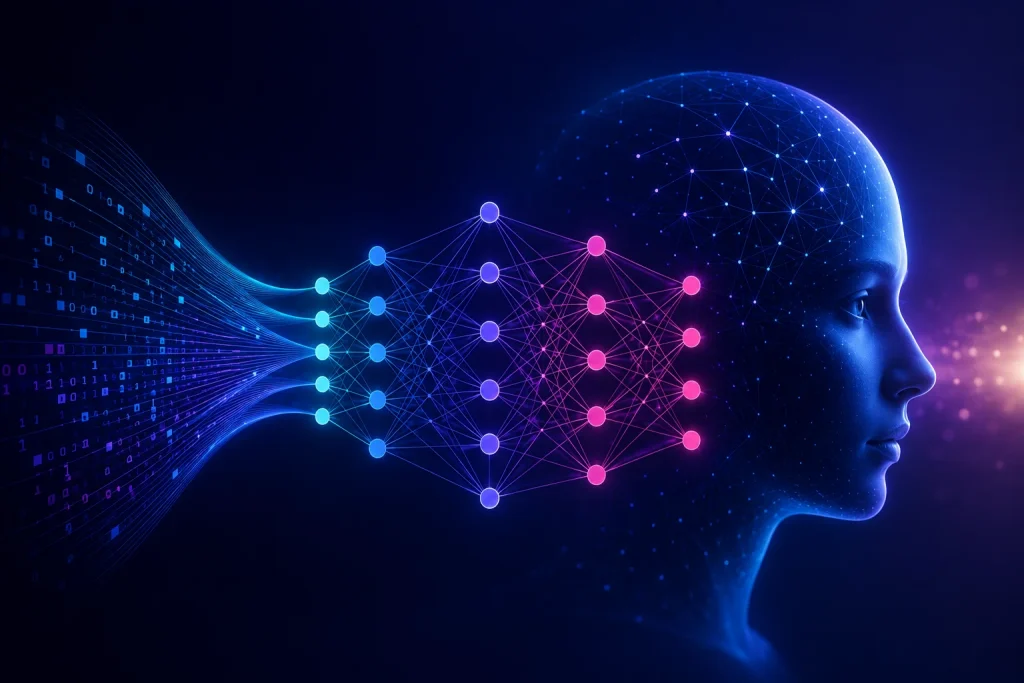
Over the last few years, deep learning has become a major part of industries like healthcare, education, transportation, entertainment, and business. According to recent reports from leading tech research firms, the global artificial intelligence market continues to grow rapidly as companies invest billions of dollars into AI-powered systems. Deep learning plays a central role in this revolution because it allows machines to process huge amounts of information and improve their performance over time.
People often use apps powered by deep learning every single day without realizing it. Whether you unlock your phone using facial recognition, ask a virtual assistant a question, or watch personalized recommendations on streaming platforms, deep learning is involved. This article explains deep learning in the simplest way possible with real-world examples, practical insights, and easy-to-understand concepts.
Understanding Deep Learning in Simple Words
Deep learning is a type of computer technology that teaches machines to learn from data. Instead of programming every rule manually, developers provide examples and let the system discover patterns on its own. Think of it like teaching a child how to identify animals. You do not explain every tiny detail about a cat or dog. Instead, you show many pictures until the child naturally understands the difference. Deep learning works in a similar way.
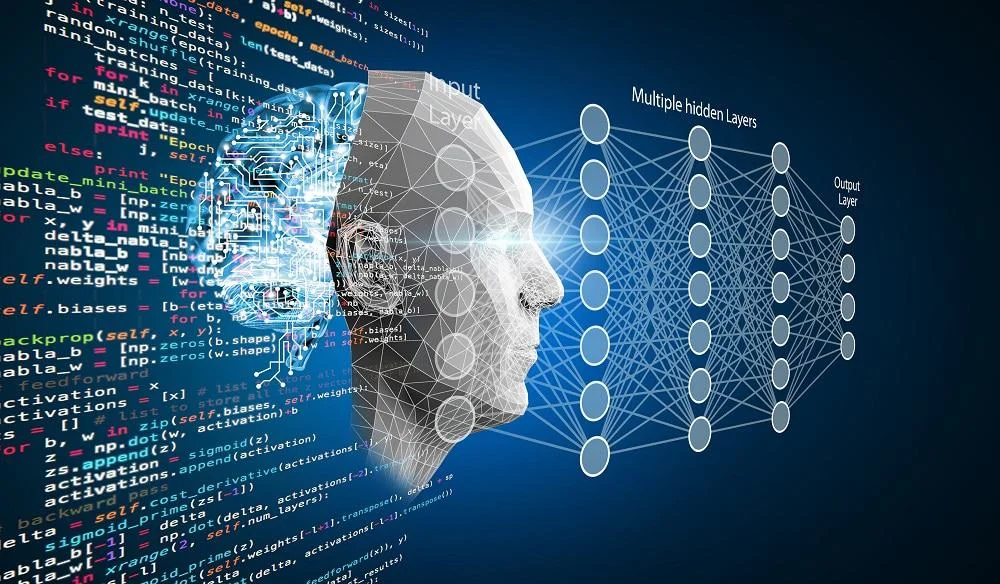
The reason it is called “deep” learning is because the system uses multiple layers to process information. These layers are inspired by the human brain and are known as neural networks. Each layer learns different features from the data. For example, when recognizing a face, one layer may identify edges, another may detect eyes or noses, and another may recognize the full face.
Today, deep learning has become extremely powerful because computers are faster and data is available in massive quantities. Social media platforms, search engines, and online shopping stores generate huge amounts of information every second. Deep learning systems use this data to improve accuracy and make smarter decisions. This is why apps feel more personalized and intelligent than ever before.
One reason deep learning is so popular is its ability to handle complex tasks automatically. Traditional computer programs struggle with things like recognizing speech or understanding images because these tasks involve countless variations. Deep learning models can learn these variations naturally by studying large datasets. That ability makes them incredibly valuable in modern technology.

How Deep Learning Works
At the center of deep learning are artificial neural networks. These networks are designed to imitate how neurons in the human brain communicate with each other. While they are much simpler than a real brain, the concept is inspired by biological learning systems. A neural network processes information step by step and gradually improves through practice.
Artificial Neural Networks Explained
Neural networks consist of different layers connected together. Each layer has a specific role in processing information. These layers work together to analyze data and produce results.
Input Layer
The input layer receives raw information from the outside world. This could be an image, text, voice recording, or numbers. For example, if you upload a photo to a facial recognition app, the pixels of the image enter the input layer first. The system begins examining patterns within the picture.
Hidden Layers
The hidden layers are where most of the learning happens. These layers process the information repeatedly and extract meaningful patterns. The more hidden layers a system has, the “deeper” the network becomes. Deep learning models can have dozens or even hundreds of hidden layers depending on the complexity of the task.
For example, when identifying a cat in an image, one hidden layer may recognize simple shapes, another may identify fur textures, and another may detect facial structures. By combining all these details, the model determines whether the image contains a cat.
Output Layer
The output layer produces the final answer. If the system is identifying animals, the output might display “cat” or “dog.” If it is a speech recognition system, the output may convert spoken words into text. This final prediction improves over time as the model continues learning from additional data.
Training a Deep Learning Model
Training is the process where the system learns from examples. Developers feed the model large amounts of data and provide correct answers. The model makes predictions, compares them to the correct answers, and adjusts itself to reduce mistakes. This cycle repeats thousands or millions of times.
A simple example is teaching a system to recognize handwritten numbers. Developers show thousands of images of numbers and label each image correctly. The deep learning model studies patterns and gradually learns how each number looks. Eventually, it can identify new handwritten numbers with high accuracy.
The success of deep learning depends heavily on data quality and computing power. Large datasets and powerful graphics processing units (GPUs) allow models to train faster and perform better. Companies like Google, Microsoft, and OpenAI invest heavily in deep learning infrastructure because it powers many modern AI services.
Difference Between AI, Machine Learning, and Deep Learning
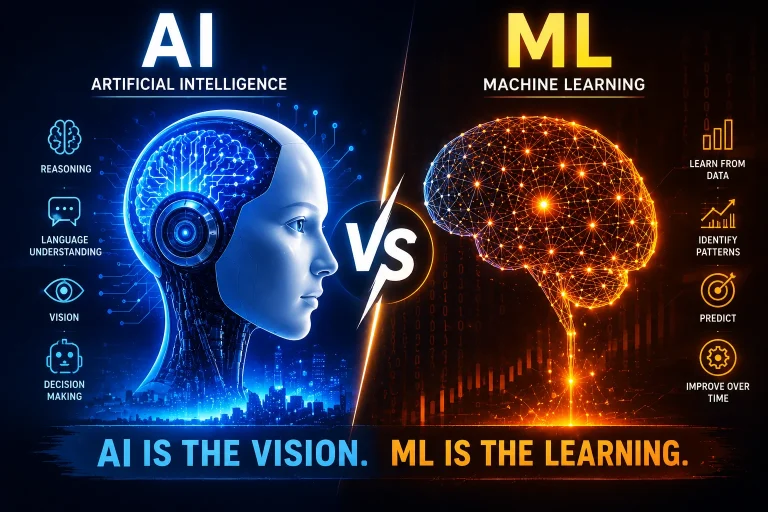
Many people confuse artificial intelligence, machine learning, and deep learning because these terms are closely related. Understanding the differences makes the topic much easier to grasp.
| Technology | Meaning | Example |
|---|---|---|
| Artificial Intelligence | Machines simulating human intelligence | Chatbots |
| Machine Learning | Systems learning from data | Spam email filters |
| Deep Learning | Advanced machine learning using neural networks | Face recognition |
Artificial Intelligence
Artificial intelligence, often called AI, is the broadest concept. It refers to machines performing tasks that normally require human intelligence. This includes reasoning, problem-solving, understanding language, and recognizing patterns. AI has existed as a research field for decades.
Machine Learning
Machine learning is a subset of AI. It allows systems to learn from data instead of relying entirely on fixed rules. Machine learning algorithms improve their performance as they receive more information. Examples include recommendation engines and fraud detection systems.
Deep Learning
Deep learning is a specialized branch of machine learning. It uses neural networks with many layers to process complex data. Deep learning is especially powerful for image recognition, language understanding, and speech processing. Most modern AI breakthroughs are driven by deep learning techniques.
You can think of AI as the umbrella term, machine learning as one part of AI, and deep learning as a more advanced part of machine learning. This relationship helps explain why deep learning receives so much attention in technology discussions today.
Real-Life Examples of Deep Learning
Deep learning is not just theory. It powers many tools and services people use every day. These practical examples make the concept easier to understand because they connect technology with real-life experiences.
Voice Assistants
Virtual assistants like Google Assistant, Siri, and Alexa use deep learning to understand spoken language. When you ask a question, the system analyzes your voice, converts speech into text, understands the meaning, and provides a response within seconds.
This process involves several deep learning models working together. One model recognizes speech sounds, another interprets language, and another generates the answer. The more users interact with these systems, the more accurate they become.
Self-Driving Cars
Self-driving vehicles rely heavily on deep learning. These cars use cameras, sensors, and radar systems to observe the environment. Deep learning models identify roads, traffic signs, pedestrians, and other vehicles in real time.
A self-driving car must make split-second decisions, similar to a human driver. Deep learning helps the car understand surroundings quickly and safely. Companies developing autonomous vehicles spend years training their models using millions of driving scenarios.
Medical Diagnosis
Hospitals and healthcare organizations use deep learning to detect diseases from medical images. AI systems can analyze X-rays, MRIs, and CT scans to identify abnormalities. Some studies show that deep learning models can match or even exceed human experts in specific medical tasks.
For example, deep learning can help detect early signs of cancer by identifying tiny patterns invisible to the human eye. This technology supports doctors by providing faster and more accurate analysis.
Recommendation Systems
Streaming and shopping platforms use deep learning recommendation systems to personalize content. Services like Netflix and Amazon analyze your behavior to recommend movies, products, or music you might enjoy.
These systems study your viewing history, searches, clicks, and preferences. Deep learning models compare your behavior with millions of users and predict what interests you most. This creates a highly personalized experience.
Advantages of Deep Learning
Deep learning offers several important benefits that make it valuable across industries. Its ability to solve difficult problems efficiently has transformed modern technology.
High Accuracy
One major advantage of deep learning is its impressive accuracy. Deep learning models can recognize images, understand speech, and translate languages with remarkable precision. In many cases, they perform better than older machine learning techniques.
This accuracy improves because deep learning systems continue learning from larger datasets. The more examples they analyze, the better they become at recognizing patterns. This makes them highly effective for tasks involving complex information.
Automation of Complex Tasks
Deep learning automates tasks that once required significant human effort. Businesses use AI-powered systems for customer service, quality control, document analysis, and data processing. Automation saves time, reduces costs, and increases productivity.
For example, factories use deep learning cameras to detect product defects instantly. Banks use AI systems to identify suspicious financial transactions. Retail companies analyze customer behavior to improve marketing strategies. These applications demonstrate how deep learning creates efficiency across industries.
Another advantage is scalability. Once trained, deep learning systems can handle millions of tasks simultaneously. This capability allows companies to serve huge numbers of users efficiently without needing equally massive human teams.
Challenges and Limitations of Deep Learning
Despite its strengths, deep learning also faces several challenges. Understanding these limitations is important because it provides a balanced view of the technology.
Need for Huge Data
Deep learning models require enormous amounts of data to perform well. Training a system with limited information often leads to poor accuracy. Collecting and labeling large datasets can be expensive and time-consuming.
For example, teaching a model to recognize objects in images may require millions of labeled pictures. Smaller organizations sometimes struggle to access the data needed for advanced AI projects. This creates barriers for companies with limited resources.
Expensive Hardware Requirements
Deep learning training requires powerful hardware, especially GPUs and specialized AI chips. These systems consume significant electricity and computing resources. Training advanced models can take days or weeks depending on complexity.
Large technology companies have advantages because they can invest heavily in infrastructure. Smaller businesses may rely on cloud computing services instead of building their own systems. Hardware costs remain one of the biggest challenges in deep learning development.
Another issue is transparency. Deep learning models sometimes operate like “black boxes,” meaning it can be difficult to understand exactly how decisions are made. This raises concerns in fields like healthcare and finance where explanations are important.
Popular Deep Learning Tools and Frameworks
Developers use specialized frameworks to build and train deep learning models. These tools simplify the development process and provide powerful features.
TensorFlow
TensorFlow is one of the most popular deep learning frameworks created by Google. It provides tools for building AI models efficiently and supports large-scale machine learning projects.
TensorFlow is widely used in research and industry because it supports flexible model development. Beginners and experts both use it for tasks like image recognition and natural language processing.
PyTorch
PyTorch is another widely used deep learning framework developed by Meta. Researchers often prefer PyTorch because of its flexibility and user-friendly design.
PyTorch has become especially popular in academic research and AI experimentation. Many modern AI breakthroughs are developed using this framework because it allows faster testing and debugging.
These frameworks help developers focus on innovation rather than building systems from scratch. They also provide access to large communities, tutorials, and pre-trained models.
Future of Deep Learning
The future of deep learning looks incredibly promising. AI systems are becoming smarter, faster, and more integrated into daily life. Experts believe deep learning will continue transforming industries over the next decade.
Deep Learning in Everyday Life
Deep learning is expected to become even more common in homes, workplaces, and cities. Smart devices will understand human behavior better and provide more personalized experiences. Healthcare systems may detect diseases earlier, while transportation systems become safer and more efficient.
Education is another area likely to change dramatically. AI tutors could personalize lessons for each student based on learning speed and preferences. Businesses may rely on intelligent assistants for communication, planning, and analysis.
Deep learning could also improve environmental protection. AI models can analyze climate patterns, predict natural disasters, and optimize energy usage. These applications may help solve some of the world’s biggest challenges.
Career Opportunities in Deep Learning
As demand for AI technology grows, career opportunities in deep learning continue expanding. Companies seek professionals skilled in machine learning, data science, and AI engineering. Salaries in these fields are often highly competitive because skilled experts are in high demand.
Students interested in technology can learn programming languages like Python and study AI fundamentals. Online courses, certifications, and open-source projects make learning deep learning more accessible than ever before.
The growing importance of AI means deep learning knowledge may become valuable in many professions, not just technology jobs. Understanding how AI works can help individuals adapt to future workplace changes.
Conclusion
Deep learning is a powerful branch of artificial intelligence that teaches computers to learn from data using neural networks inspired by the human brain. Although the technology may sound complex at first, the basic idea is simple: machines improve through experience, just like humans. Deep learning powers many modern technologies including voice assistants, self-driving cars, medical diagnosis systems, and recommendation engines.
Its ability to recognize patterns and automate complex tasks has transformed industries around the world. Businesses use deep learning to improve efficiency, personalize services, and make smarter decisions. At the same time, challenges like data requirements, hardware costs, and transparency continue shaping the future of AI development.
As technology evolves, deep learning will likely become even more integrated into daily life. Understanding this technology today provides valuable insight into the future of innovation. Whether you are a student, business owner, or tech enthusiast, learning about deep learning opens the door to understanding one of the most important technologies of the modern era.