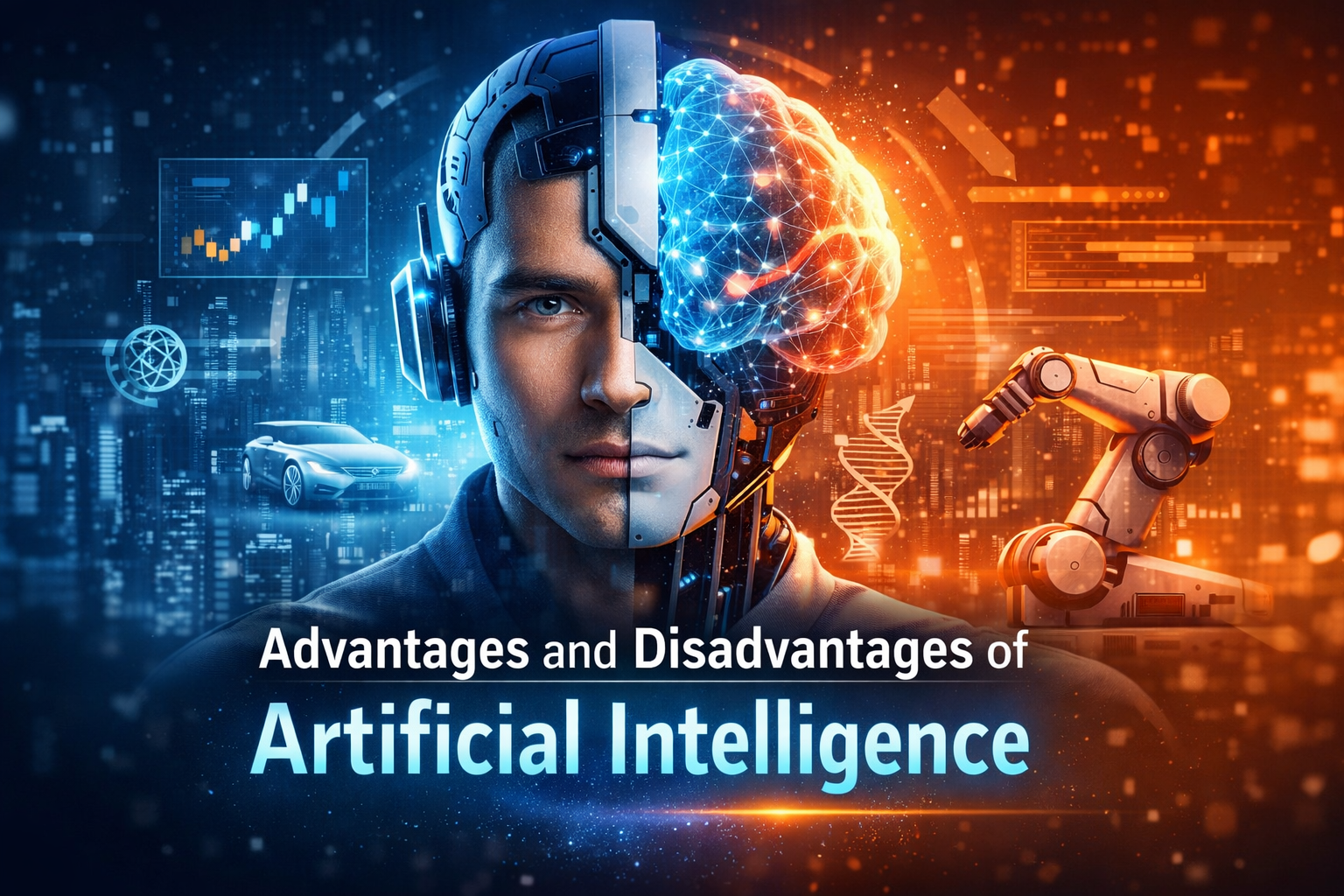
Advantages and Disadvantages of Artificial intelligence: A Complete Guide (2026)
Artificial Intelligence is transforming the world at an incredible pace….
Artificial Intelligence is transforming the world at an incredible pace. From simplifying daily tasks to revolutionizing industries, AI offers countless benefits—but it also comes with serious challenges that cannot be ignored. Understanding both sides is essential in today’s technology-driven era.
INTRODUCTION
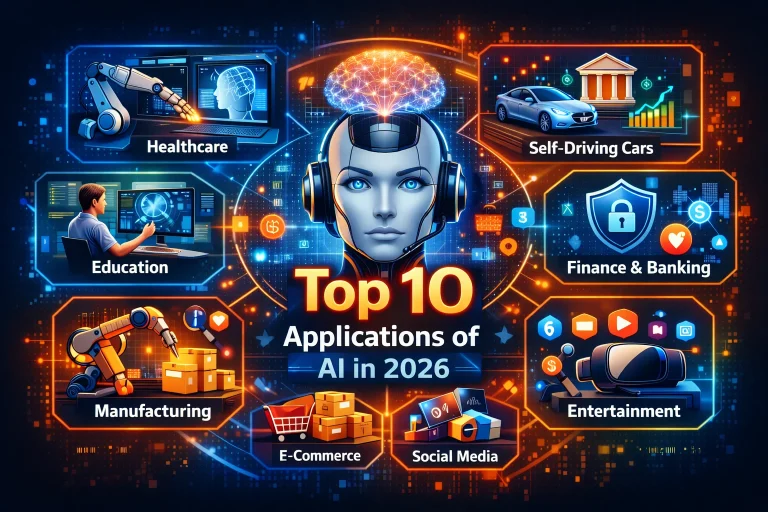
Artificial Intelligence (AI) has become one of the most powerful and influential technologies of the 21st century. It is changing how we live, work, and interact with the world around us. From voice assistants and recommendation systems to self-driving cars and advanced robotics, AI is everywhere. therefore we must learn both sides advantages and disadvantages of artificial intelligence.
However, while AI brings remarkable advantages, it also raises concerns related to ethics, employment, and security. In this complete guide, we will explore the advantages and disadvantages of Artificial Intelligence, helping you understand its true impact on society. there are both Advantages and Disadvantages of Artificial Intelligence are explained below
Advantages of Artificial Intelligence
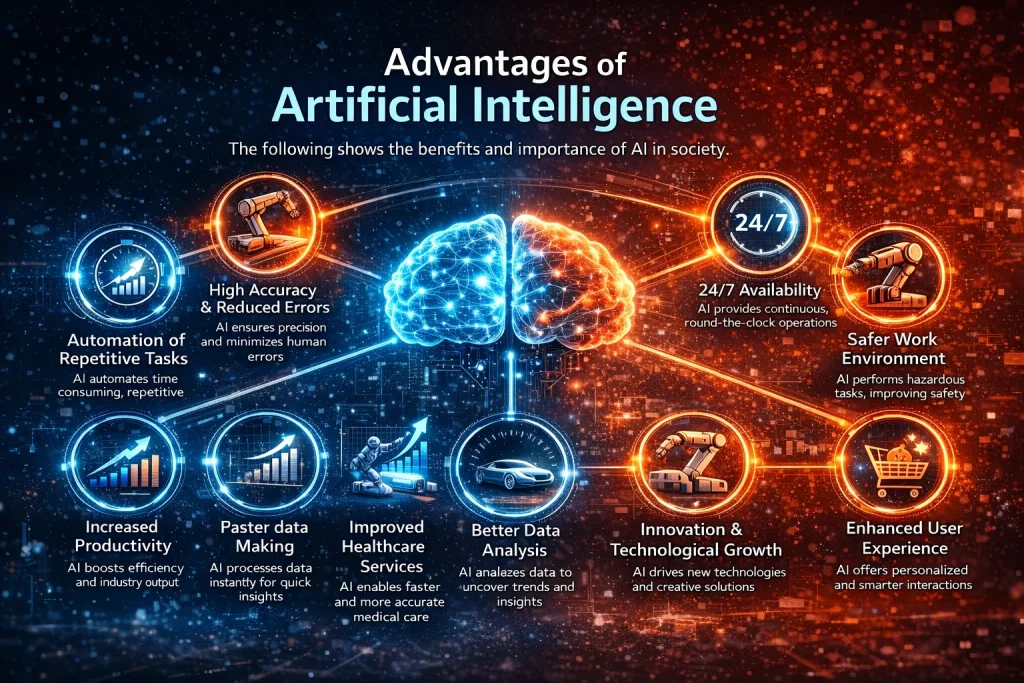
The below are the benefits of artificial intelligence. By reading this we will easily understand the impact of artificial intelligence on society. If we say so it will not be wrong it ia also its importance of artificial intelligence. So read it it will really help u.
1. Automation of Repetitive Tasks
Artificial Intelligence allows businesses to automate repetitive and time-consuming tasks such as data entry, customer queries, and basic operations. This reduces human workload and saves valuable time. As a result, employees can focus on more creative, strategic, and high-value activities.
Example: In large companies, AI tools automatically handle thousands of customer emails and support tickets daily. For example, chatbots on websites instantly respond to common queries, saving hours of human effort and improving response time.
2. High Accuracy and Reduced Errors
AI systems are designed to process data with precision and consistency, minimizing the chances of human error. In critical sectors like healthcare and finance, even small mistakes can have serious consequences. AI helps ensure more reliable results and improves overall efficiency.
Example: In banking, AI systems detect fraudulent transactions by analyzing patterns with high accuracy. Even a small unusual activity is flagged instantly, reducing financial losses and ensuring secure transactions.
3. 24/7 Availability
Unlike humans, AI systems can operate continuously without fatigue or breaks. This makes them ideal for services like customer support, monitoring systems, and online platforms. Businesses can provide uninterrupted services, improving customer satisfaction and trust.
Example: Online businesses use AI chatbots that provide customer support 24/7 without delays. Whether it’s day or night, customers can get instant help, which improves trust and user satisfaction.
4. Faster Decision Making
AI can analyze large volumes of data in real time and provide insights within seconds. This helps organizations make faster and more informed decisions. In competitive industries, quick decision-making can be the key to success.
Example: In stock trading, AI systems analyze market data in real time and suggest buying or selling decisions within seconds. This speed gives investors a competitive advantage in fast-moving markets.
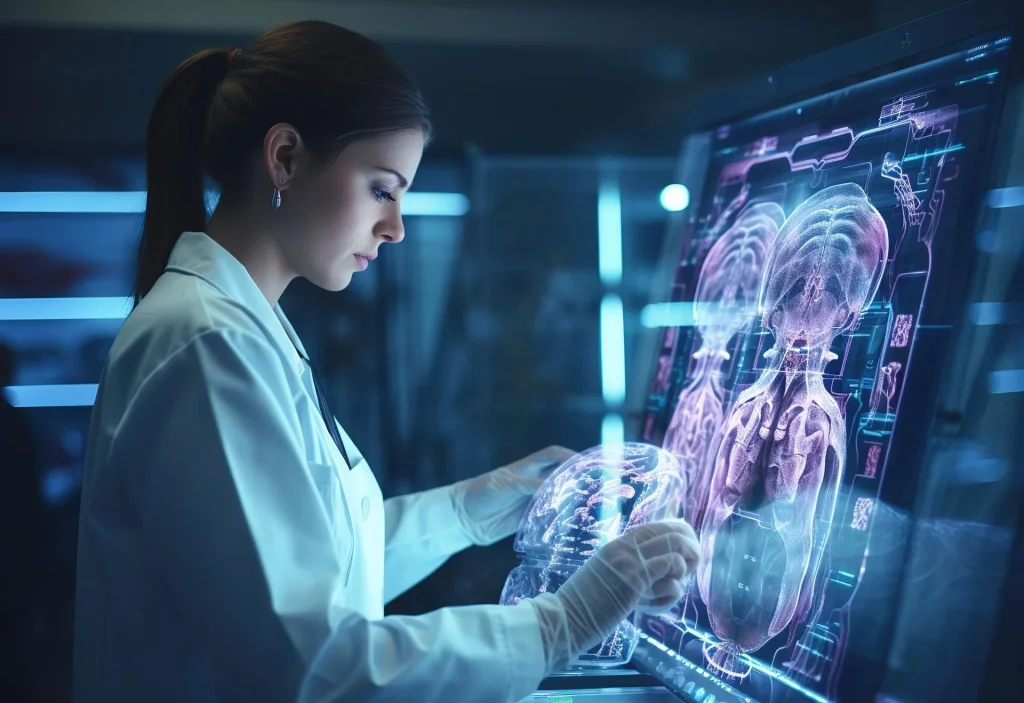
5. Improved Healthcare Services
AI is transforming healthcare by assisting in early diagnosis, medical imaging, and personalized treatment plans. It helps doctors detect diseases at an early stage, improving patient outcomes. Additionally, AI reduces the workload on healthcare professionals.
Example: AI-powered tools can detect diseases like cancer through medical scans at an early stage. Doctors use these insights to provide faster and more accurate treatment, saving lives.
6. Enhanced User Experience
AI improves user experience by offering personalized recommendations based on user behavior. Whether it’s shopping, watching movies, or browsing content, AI tailors suggestions to individual preferences. This increases engagement and customer satisfaction.
Example: E-commerce platforms recommend products based on your previous searches and purchases. This personalized experience makes shopping easier and increases the chances of customer satisfaction.
7. Increased Productivity
By automating tasks and optimizing processes, AI significantly boosts productivity across industries. Businesses can achieve more in less time with fewer resources. This leads to higher efficiency and better overall performance.
Example: In manufacturing industries, AI-powered robots assemble products quickly and efficiently. This reduces production time and increases output without compromising quality
8. Safer Work Environment
AI-powered machines and robots can perform dangerous tasks in hazardous environments such as mining, construction, and chemical industries. This reduces the risk of injuries and protects human lives. Workplace safety is greatly improved through automation.
Example: In mining and construction sites, AI robots are used to perform dangerous tasks like drilling or handling toxic materials. This protects human workers from serious injuries.
9. Innovation and Technological Growth
AI drives innovation by enabling the development of advanced technologies like self-driving cars, smart assistants, and robotics. It encourages continuous improvement and creativity in various industries. This leads to faster technological progress.
Example: Self-driving cars are a major innovation powered by AI. These vehicles can navigate roads, avoid obstacles, and reduce accidents, showing how AI is transforming transportation.
10. Better Data Analysis
AI can process and analyze massive datasets quickly and accurately. It identifies patterns, trends, and insights that humans may overlook. This helps businesses make smarter, data-driven decisions and gain a competitive advantage.
Example: Companies use AI to analyze customer data and predict future trends. For instance, businesses can identify which products will be in demand and plan their strategies accordingly.
we discussed just one part of Advantages and Disadvantages of Artificial Intelligence. we discussed advantages first .
Disadvantages of Artificial Intelligence
The below are the disadvantages of artificial intelligence. here we will learn that what are the disadvantages of artificial intelligence. it is the second part of Advantages and Disadvantages of Artificial Intelligence. after reading this we are able to know about both Advantages and Disadvantages of Artificial Intelligence.
1. Job Displacement
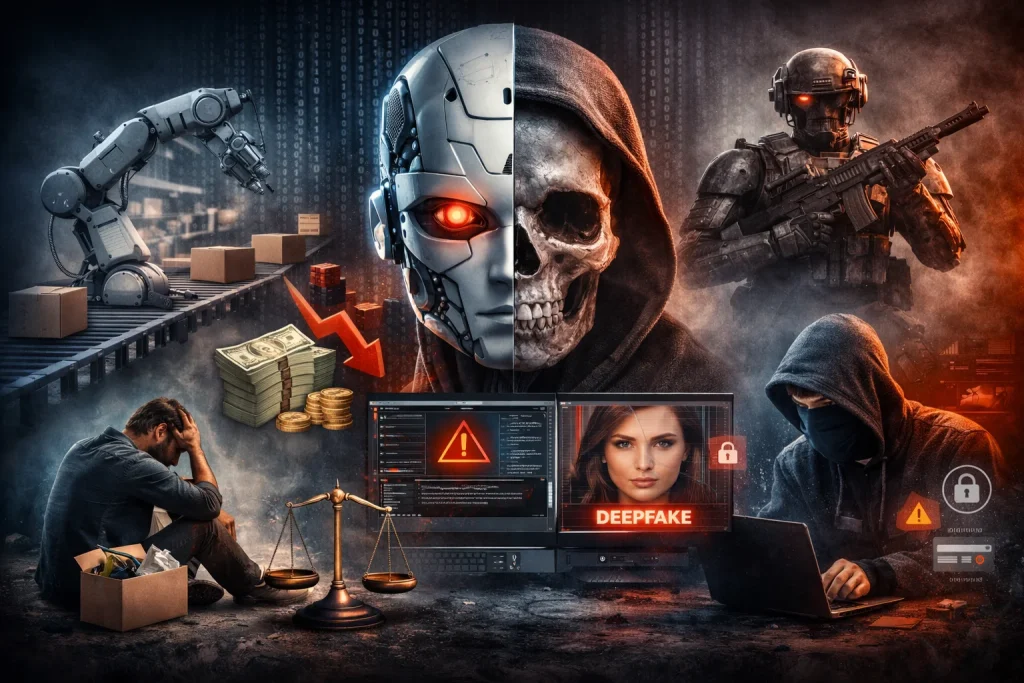
One of the biggest concerns of AI is the loss of jobs due to automation. Machines can replace human workers in repetitive and routine tasks. This can lead to unemployment, especially among low-skilled workers.
Example: Many factories now use robots instead of human workers for repetitive tasks. This reduces the need for manual labor and leads to job losses, especially for low-skilled workers.
2. High Implementation Costs
Developing and implementing AI systems requires significant investment. Costs include software, hardware, maintenance, and skilled professionals. Small businesses may find it difficult to afford these advanced technologies.
Example: Developing an AI system for a company requires expensive software, hardware, and skilled experts. Small businesses often struggle to afford these costs, limiting their growth.
3. Lack of Creativity and Emotions
AI lacks human qualities such as creativity, emotions, and empathy. It cannot think innovatively or understand emotional situations. This makes it less effective in roles that require human interaction and emotional intelligence.
Example: AI can generate content, but it cannot truly understand human emotions or create original ideas like a human writer or artist. This limits its effectiveness in creative industries.
4. Dependency on Technology
Excessive reliance on AI can make humans dependent on machines for decision-making. This may reduce critical thinking and problem-solving skills over time. Over-dependency can also create risks if systems fail.
Example: Many people rely on AI tools like navigation apps for directions. If the system fails, they may struggle to find their way, showing how dependency can reduce human skills.

5. Security Risks
AI systems can be vulnerable to hacking and cyberattacks if not properly secured. Sensitive data can be exposed or misused by malicious actors. This raises serious concerns about data privacy and protection. by knowing this we develope knowledge about Advantages and Disadvantages of Artificial intelligence .
Example: Hackers can target AI systems to steal sensitive data such as personal or financial information. A security breach can cause serious damage to both individuals and organizations.
6. Ethical Concerns
AI raises ethical issues such as bias in algorithms, misuse of personal data, and lack of transparency. Decisions made by AI may not always be fair or unbiased. Proper regulations are needed to ensure ethical use of AI.
Example: AI hiring systems may show bias if trained on unfair data, rejecting qualified candidates based on gender or background. This raises serious ethical and fairness issues.
7. Unemployment and Economic Impact
As AI replaces human labor, it can disrupt the job market and economy. Certain industries may face significant job losses. This can increase the gap between skilled and unskilled workers.
Example: Automation in industries like retail and manufacturing reduces job opportunities. Many workers lose their jobs, which can negatively affect the economy and increase inequality.
8. Limited Decision-Making Ability
AI operates based on pre-programmed algorithms and data. It may fail in situations that require human judgment, intuition, or moral reasoning. Complex real-world problems still need human involvement.
Example: AI cannot make moral decisions in critical situations. For example, in emergencies, machines cannot replace human judgment, which requires emotions and ethical thinking.
9. Maintenance and Updates
AI systems require continuous monitoring, updates, and maintenance to function effectively. This can be time-consuming and costly for organizations. Without proper maintenance, system performance may decline.
Example: AI systems need regular updates to stay effective. Companies must hire experts to maintain them, which increases long-term operational costs.
10. Risk of Misuse
AI technology can be misused for harmful purposes such as deepfakes, cybercrime, and autonomous weapons. This poses serious threats to society and global security. Responsible use of AI is essential.
Example: AI can be used to create deepfake videos that spread misinformation. This can harm individuals, influence public opinion, and create serious social and political problems.
These are the second of (Advantages and Disadvantages of Artificial intelligence) part i mean disadvantages. if someone want to do good decision about something so he need both sides positive and negative like i mention it Advantages and Disadvantages of Artificial intelligence.it will help to take decision about anything like after i reading both side Advantages and Disadvantages of Artificial intelligence i understand it and clear my concept on both sides.
Future of Artificial Intelligence
The future of AI is incredibly promising. As technology continues to evolve, AI will become more advanced and integrated into our daily lives. It will play a major role in areas like healthcare, education, transportation, and business.by learning both sides of Advantages and Disadvantages of Artificial intelligence really helps us. i believe that if someone know about Advantages and Disadvantages of Artificial intelligence he has more knowldge rather then the person who does not have knowldge about Advantages and Disadvantages of Artificial intelligence it.
However, responsible use of AI is essential to ensure that its benefits outweigh its risks. Governments, organizations, and individuals must work together to create a safe and ethical AI-driven world. The future of artificial intelligence is very bright.
CONCLUSION
Artificial Intelligence is not just a technology—it is a powerful force shaping the future of our world. By clearly understanding its advantages and disadvantages, we can make smarter, more responsible decisions in how we use it. The true potential of AI lies in human control, creativity, and ethical thinking. If we embrace its benefits while carefully managing its risks, we can build a future that is not only more advanced but also more balanced, secure, and beneficial for everyone. The future is in our hands—use AI wisely and lead the change. we learn both Advantages and Disadvantages of Artificial Intelligence.