Types of Education Explained: Formal, Informal, and Non-Formal Learning
A complete guide to understanding the types of education for…
A complete guide to understanding the types of education for success.
Introduction
Education is the foundation of a successful life. It helps people grow, gain knowledge, and develop skills that are necessary in today’s world. But education is not just limited to schools and classrooms. It exists in many forms, and each type plays an important role in shaping a person’s future.
Understanding the types of education is very important because it helps us learn better and choose the right path for our personal and professional growth. In today’s fast-changing world, knowing the types of education allows individuals to improve both knowledge and skills effectively. In this article, we will clearly explain the three main types of education: formal, informal, and non-formal learning in a simple and effective way.
What are the Types of Education?
The types of education refer to different ways people learn knowledge and skills. These types are divided based on how learning takes place and where it happens.
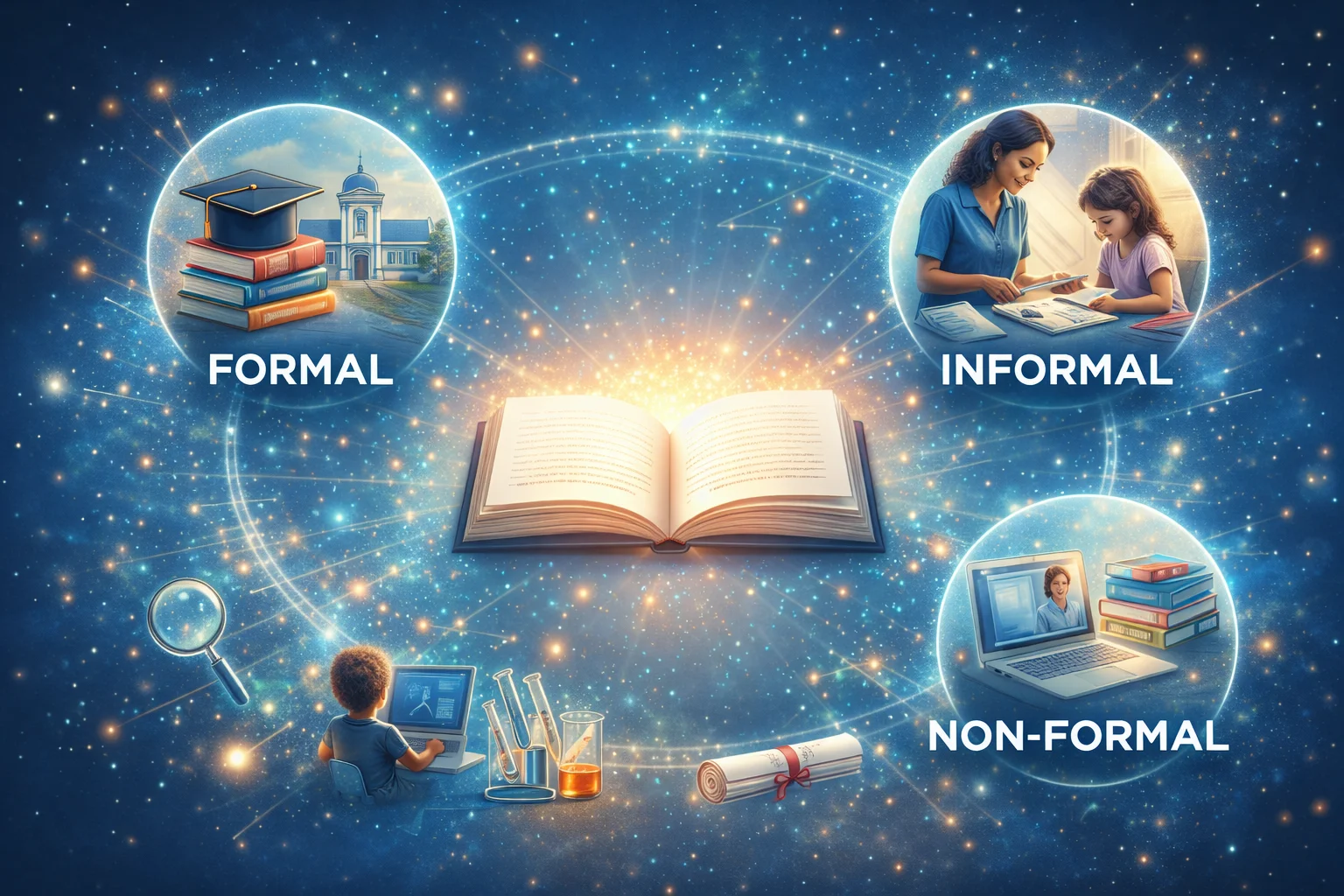
The three main types are:
- Formal Education
- Informal Education
- Non-Formal Education
Each type has its own importance, benefits, and role in life. Understanding the types of education helps people choose the best method of learning according to their needs.
1. Formal Education – Structured and Systematic Learning
Formal education is the most common among the types of education. It takes place in schools, colleges, and universities. It follows a proper system with fixed subjects, trained teachers, and regular exams.
Key Features of Formal Education
- Structured curriculum
- Professional teachers
- Fixed schedule
- Certification (degrees and diplomas)
- Classroom-based learning
Examples of Formal Education
- School education
- College degrees
- University programs
Formal education provides a strong academic foundation. It helps students build knowledge step by step and prepares them for careers.
Why Formal Education is Important
Formal education is important because it:
- Provides recognized qualifications
- Builds discipline and routine
- Helps in getting jobs
- Develops basic knowledge in different subjects
Among all the types of education, formal education is essential for building a stable and secure future. However, it is not enough on its own in today’s world.

2. Informal Education – Learning from Daily Life
Informal education is another important part of the types of education. It is the type of learning that happens naturally in everyday life without any structured system or schedule.
People learn through:
- Experiences
- Observations
- Conversations
- Social interactions
Examples of Informal Education
- Learning from parents
- Watching educational videos
- Reading books or blogs
- Learning from mistakes
Key Features of Informal Education
- No fixed curriculum
- No exams or certificates
- Flexible and natural learning
- Based on real-life experiences
Why Informal Education is Important
Informal education plays a very important role among the types of education because:
- It develops practical knowledge
- It improves social skills
- It helps in problem-solving
- It builds personality
This type of education proves that learning is not limited to classrooms. It continues throughout life.
3. Non-Formal Education – Skill-Based and Flexible Learning
Non-formal education is one of the fastest-growing types of education in today’s modern world. It is organized but does not follow the strict rules of formal education.
It focuses mainly on skill development and practical knowledge.
Examples of Non-Formal Education
- Online courses
- Skill training programs
- Workshops and seminars
- Vocational training
Key Features of Non-Formal Education
- Flexible schedule
- Short-term courses
- Skill-focused learning
- No strict age limit
Why Non-Formal Education is Important
Non-formal education is very useful among the types of education because:
- It helps people learn new skills quickly
- It improves job opportunities
- It supports career growth
- It is accessible to everyone
In today’s digital world, this type of education is becoming more popular and valuable.

Difference Between Formal, Informal, and Non-Formal Education
Understanding the difference between the types of education helps in better learning decisions.
| Feature | Formal Education | Informal Education | Non-Formal Education |
|---|---|---|---|
| Structure | Highly structured | No structure | Semi-structured |
| Location | Schools, colleges | Anywhere | Training centers, online |
| Certification | Yes | No | Sometimes |
| Flexibility | Low | High | Medium |
| Focus | Academic knowledge | Life experience | Skills development |
All the types of education are important and together create a complete learning system.
Why Understanding Types of Education is Important
Knowing the types of education helps students and professionals in many ways:
1. Better Learning Approach
People can choose the best way to learn based on their needs.
2. Skill Development
Combining different types of education helps in developing both knowledge and practical skills.
3. Career Growth
Non-formal education provides modern skills needed in jobs.
4. Lifelong Learning
Education does not stop after school. Informal learning continues throughout life.
Education in the Modern World (2026)
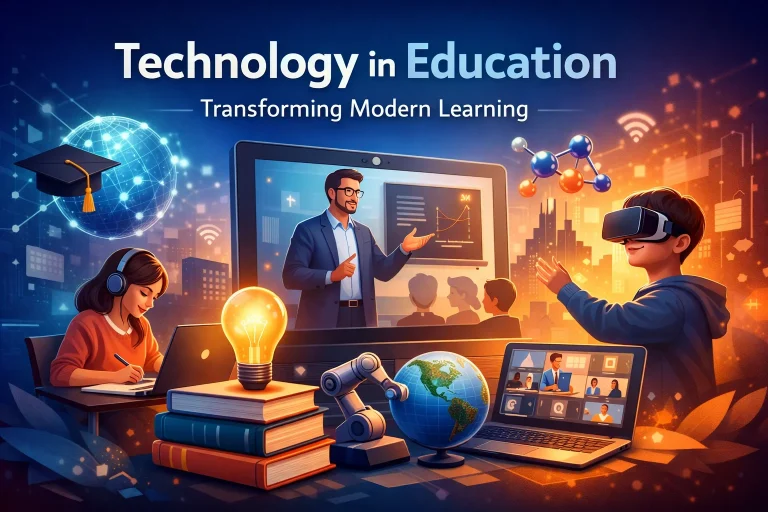
In 2026, education has become more flexible and accessible than ever before. All types of education are now connected through technology.
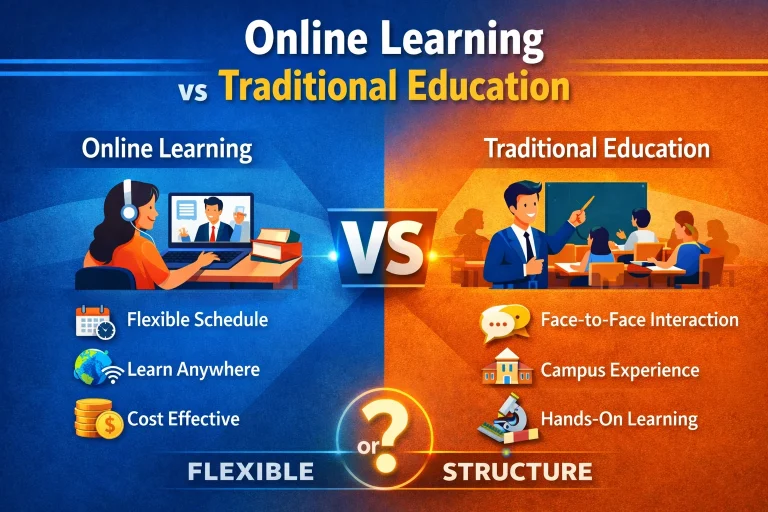
🌐 Online Learning Growth
People can learn from anywhere using:
- Online platforms
- Mobile apps
- Video tutorials
🤖 Technology Integration
Technology has improved all types of education by making learning faster and more interactive.
🌍 Global Learning Opportunities
Students can learn from international teachers and institutions, making education global.
How to Use All Types of Education for Success
To succeed in life, it is important to use all types of education together.
✅ Combine Learning Methods
Use formal education for basic knowledge, informal learning for experience, and non-formal education for skills.
✅ Stay Curious
Always try to learn new things from different sources.
✅ Focus on Skills
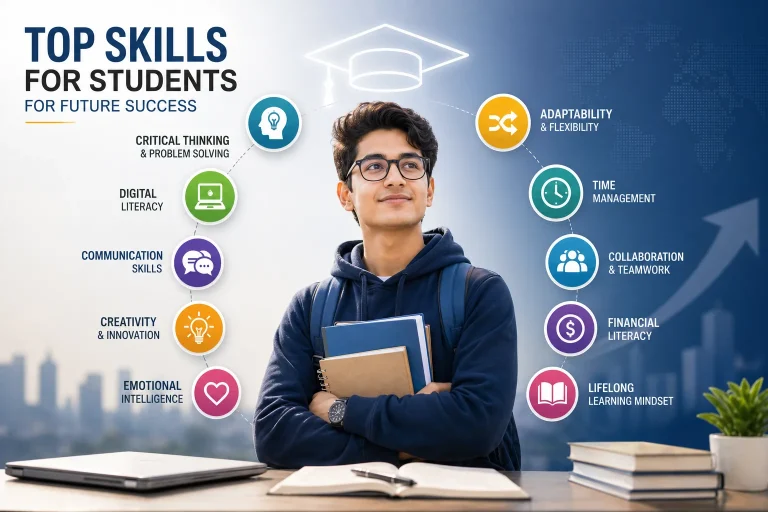
Learn skills that are useful in real life and jobs.
✅ Use Technology Wisely
Use the internet for learning instead of wasting time.
Conclusion
Education is not just one system—it is a combination of different learning methods. Understanding the types of education helps people grow in every area of life.
Formal education builds a strong foundation, informal education teaches life lessons, and non-formal education develops practical skills. Together, all types of education create a complete learning experience.
In today’s fast-changing world, the most successful people are those who continue learning in all forms.
👉 So, never stop learning—because education is the key to success.