Infinix Zero 30 vs Other Phones: Which One Is Better in 2026?
Smartphone competition has become tougher than ever, especially in the…
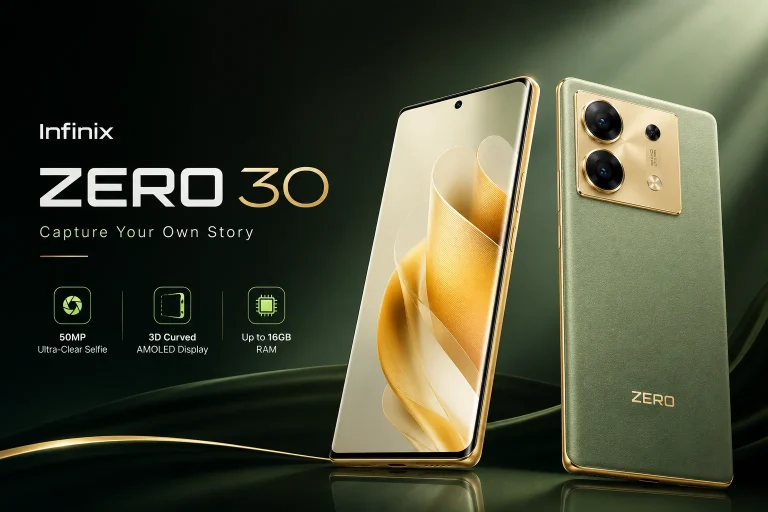
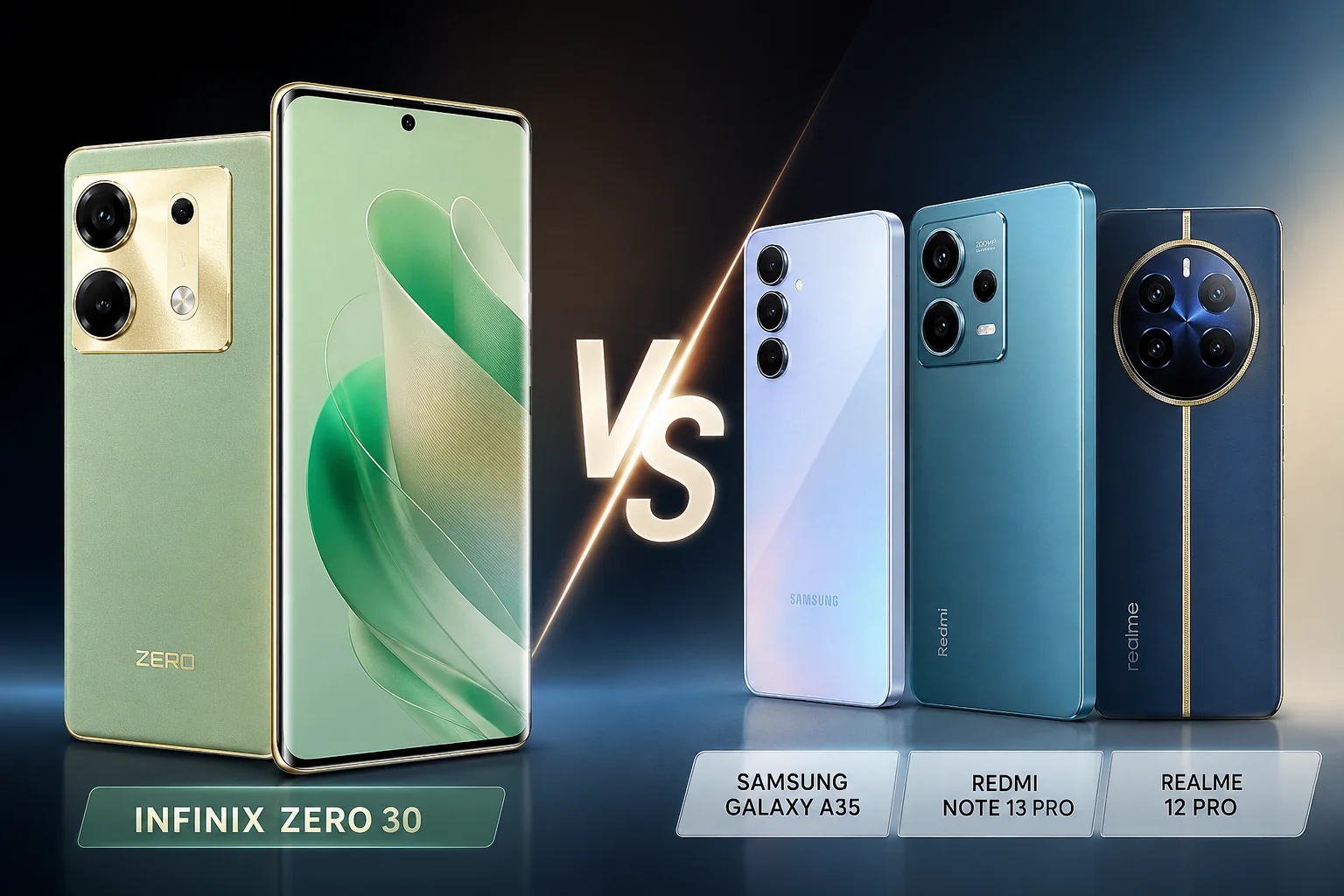
Smartphone competition has become tougher than ever, especially in the mid-range category where brands are fighting to offer flagship-like features at affordable prices. One phone that continues to attract attention is the Infinix Zero 30. With its curved AMOLED display, 50MP selfie camera, stylish design, and gaming-focused performance, many users are wondering whether it is actually better than rivals like the Samsung Galaxy A35, Redmi Note 13 Pro, and Realme 12 Pro.
The truth is that choosing the “best” phone depends on your daily needs. Some people care more about gaming, while others want the best camera, stronger battery life, or longer software support. In this detailed comparison, we will explore every major feature of the Infinix Zero 30 and compare it with competing smartphones so you can confidently decide which device deserves your money in 2026.
Why the Infinix Zero 30 Became Popular
The smartphone market is crowded with devices that look similar, perform similarly, and sometimes even feel identical in daily usage. Yet the Infinix Zero 30 managed to stand out because it offered several premium-level features at a price that many users could actually afford. When people first saw the curved AMOLED display and slim design, many assumed it was a flagship device. That first impression became one of the biggest reasons behind its popularity.
Another major factor was the focus on content creators and social media users. The 50MP front camera with 4K recording became a huge talking point among vloggers and TikTok creators. Most phones in this price range still struggle to provide high-quality front video recording, but the Zero 30 targeted selfie and video lovers directly. This made the phone extremely attractive to younger buyers who spend a lot of time on Instagram, Snapchat, and YouTube Shorts.
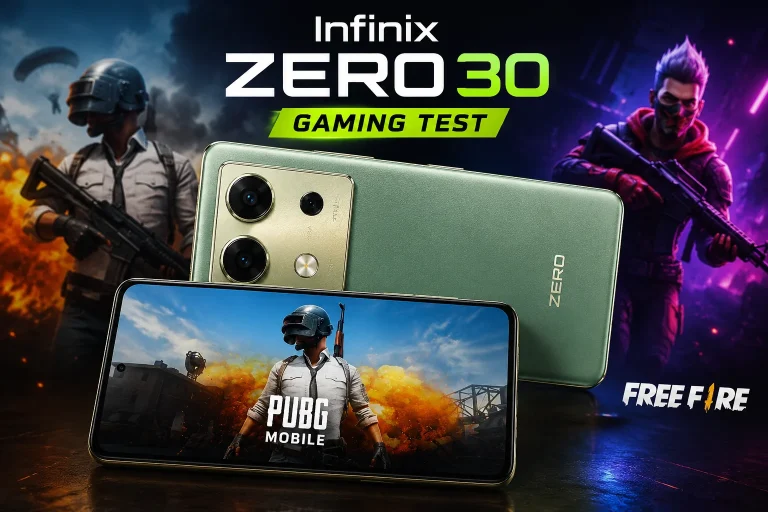
The gaming community also showed interest because the device included a 120Hz refresh rate and a MediaTek Helio G99 chipset. While it may not compete with expensive flagship processors, it still delivers smooth gameplay in titles like PUBG Mobile and Free Fire. Many reviewers praised the balance between performance and price, making it a strong option for users who want decent gaming without spending too much money.
What truly helped the phone succeed was its aggressive pricing strategy in Pakistan and other Asian markets. Compared to competitors offering similar displays and cameras, the Infinix Zero 30 looked like a value-packed device. That balance between affordability and premium features helped it become one of the most discussed mid-range smartphones in recent years.
Infinix Zero 30 Specifications Overview
Before comparing the phone with competitors, it is important to understand what the Infinix Zero 30 actually offers. On paper, the device delivers an impressive combination of display quality, camera hardware, and charging speed. According to recent comparison data, the phone includes a 6.78-inch curved AMOLED display with a 120Hz refresh rate, a 108MP main camera, and a 5000mAh battery.
| Feature | Infinix Zero 30 |
|---|---|
| Display | 6.78-inch Curved AMOLED |
| Refresh Rate | 120Hz |
| Processor | MediaTek Helio G99 |
| Rear Camera | 108MP Triple Camera |
| Front Camera | 50MP |
| Battery | 5000mAh |
| Charging | 45W Fast Charging |
| RAM & Storage | 8GB + 256GB |
The AMOLED display is one of the strongest highlights. Colors appear vibrant, blacks look deep, and scrolling feels extremely smooth thanks to the high refresh rate. Watching Netflix or YouTube on this display feels far more premium than expected for the price range. The curved edges also give the phone a flagship-inspired look that many buyers love.
Performance is powered by the MediaTek Helio G99 chipset. While some competitors now offer 5G processors, the G99 still performs very well in daily tasks. Apps open quickly, multitasking feels smooth, and gaming performance remains solid for most popular mobile games. Users who mainly focus on social media, streaming, photography, and moderate gaming will likely be satisfied with the performance.
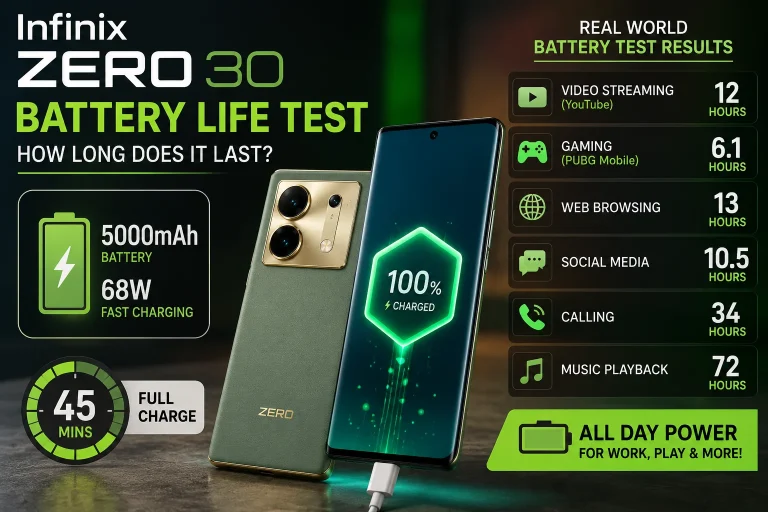
Battery life is another strong area. The 5000mAh battery easily lasts a full day for average users, and the 45W charging support helps refill the battery quickly. In a world where many users constantly worry about battery anxiety, this combination gives peace of mind during long gaming sessions or heavy social media usage.
Infinix Zero 30 vs Samsung Galaxy A35
The comparison between the Infinix Zero 30 and Samsung Galaxy A35 is one of the most interesting battles in the mid-range market. Samsung is known for reliable software and long-term updates, while Infinix focuses more on hardware value and eye-catching features. This creates a classic battle between stability and excitement.
| Feature | Infinix Zero 30 | Samsung Galaxy A35 |
|---|---|---|
| Display | Curved AMOLED 120Hz | Super AMOLED 120Hz |
| Processor | Helio G99 | Exynos chipset |
| Front Camera | 50MP | 13MP |
| Battery | 5000mAh | 5000mAh |
| Charging | 45W | 25W |
| Software Updates | Limited | Longer Support |
| Water Resistance | No official IP67 | IP67 |
Samsung’s biggest advantage is software reliability. Many Reddit users and smartphone enthusiasts mention that Samsung provides smoother long-term performance and better software support. The One UI experience also feels more polished compared to Infinix’s XOS interface.
The Infinix Zero 30, however, fights back strongly in camera hardware and charging speed. The 50MP selfie camera is far superior for vloggers and social media creators, while the faster charging means less waiting time during busy days. Samsung’s charging speed feels noticeably slower in comparison.
Design preference depends on personal taste. Samsung looks more minimal and professional, while the Infinix Zero 30 feels flashy and modern with its curved edges. Gamers may also prefer the Infinix because it often delivers smoother frame rates in optimized titles.
If software updates and durability matter most, Samsung Galaxy A35 is the safer choice. But if you care more about cameras, charging, display style, and value for money, the Infinix Zero 30 becomes extremely attractive.
Infinix Zero 30 vs Redmi Note 13 Pro
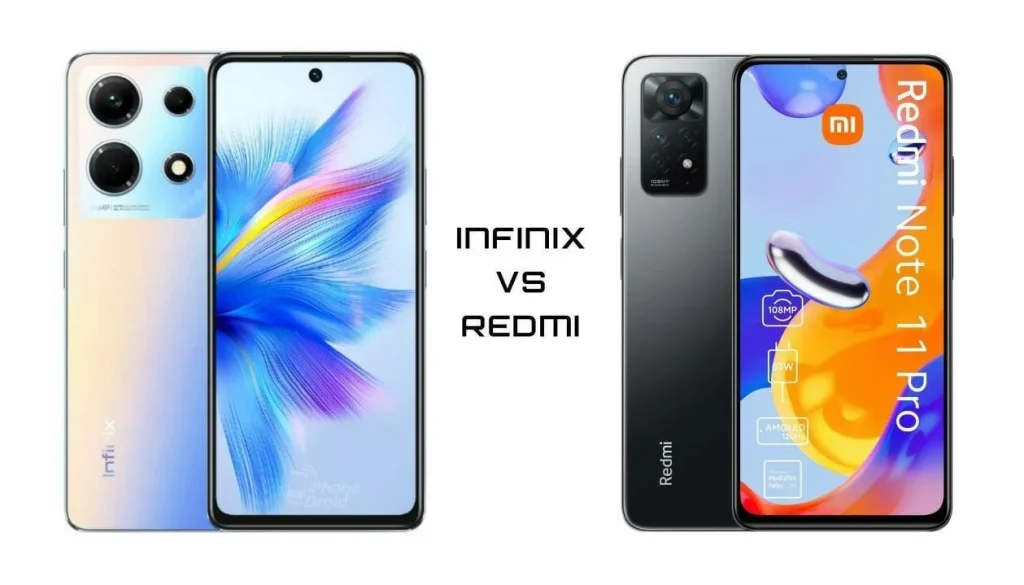
The Redmi Note 13 Pro is probably the toughest competitor for the Infinix Zero 30 because both phones target similar buyers. According to recent specifications, the Redmi device offers a Snapdragon chipset, a 200MP camera, and faster 67W charging.
| Feature | Infinix Zero 30 | Redmi Note 13 Pro |
|---|---|---|
| Main Camera | 108MP | 200MP |
| Processor | Helio G99 | Snapdragon 7s Gen 2 |
| Charging | 45W | 67W |
| Display | Curved AMOLED | AMOLED Dolby Vision |
| Selfie Camera | 50MP | 16MP |
| Gaming | Good | Better |
| Audio Jack | No | Yes |
In gaming, Redmi Note 13 Pro clearly has the advantage because of the stronger Snapdragon processor. Heavy gamers who play PUBG at high settings or enjoy long gaming sessions may prefer Redmi’s smoother performance. Charging speed is also significantly faster, which is useful for power users.
The Infinix Zero 30 still wins in selfie photography and front video recording. Content creators who shoot TikTok videos or Instagram Reels will appreciate the sharper and more detailed front camera. The curved AMOLED panel also feels more premium in hand.
Community discussions on Reddit show mixed opinions. Some users prefer Redmi because of stronger hardware, while others lean toward Samsung for better software reliability. Interestingly, some users complained about ads inside Xiaomi’s software experience, which remains a concern for many buyers.
This comparison ultimately depends on priorities. If you want stronger gaming and charging performance, Redmi Note 13 Pro is better. If you care more about selfies, premium design, and social media features, the Infinix Zero 30 still competes surprisingly well.
Infinix Zero 30 vs Realme 12 Pro
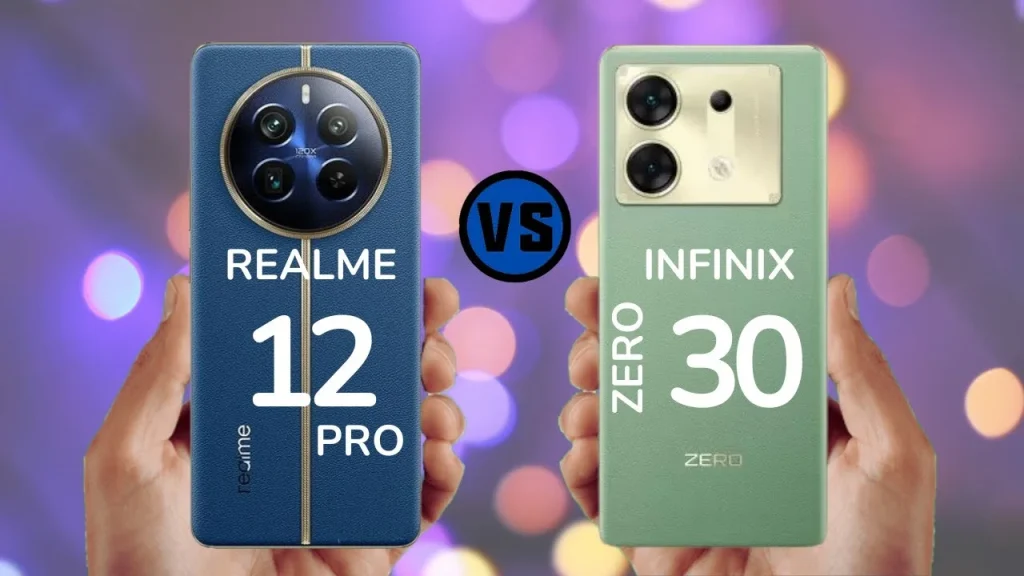
The Realme 12 Pro takes a different approach by focusing heavily on camera design and photography branding. While the Infinix Zero 30 feels youthful and performance-oriented, Realme positions its device as a stylish photography-focused smartphone.
The camera systems on both phones are impressive, but they target different audiences. The Infinix Zero 30 focuses on selfies and front video recording, while Realme emphasizes portrait photography and rear camera processing. If you enjoy taking selfies and vlogs, the Infinix has a clear advantage. If you prefer cinematic portraits and rear camera shots, Realme becomes appealing.
Build quality also feels slightly different. Realme devices often focus on leather-style backs and luxury-inspired aesthetics. Infinix, meanwhile, leans more toward flashy curved displays and bold colors. Both approaches work well, but younger users often find the Infinix design more eye-catching.
Performance differences are relatively small for average users. Daily apps, multitasking, and streaming feel smooth on both devices. Battery performance is also competitive, meaning neither phone dramatically outperforms the other in regular usage.
The final decision between these two usually comes down to personal style and camera preference. Realme feels classy and camera-centric, while the Infinix Zero 30 feels modern, social-media-friendly, and performance-focused.
Which Phone Is Better for Gaming?
Gaming has become one of the biggest deciding factors for smartphone buyers, especially among younger users. Titles like PUBG Mobile, Call of Duty Mobile, and Free Fire demand strong processors, stable frame rates, and effective cooling systems. This is where hardware differences become extremely important.
The Redmi Note 13 Pro generally delivers better gaming performance because of its Snapdragon chipset. Benchmark scores and user reviews consistently show stronger graphics handling compared to the Helio G99 inside the Infinix Zero 30. Gamers who push graphics settings higher will likely notice smoother gameplay on Redmi.
The Infinix Zero 30 still performs surprisingly well for casual and moderate gamers. PUBG runs smoothly on balanced settings, and the 120Hz AMOLED display makes movements feel fluid and responsive. Many users actually enjoy gaming on the curved display because it feels immersive during long sessions.
Samsung Galaxy A35 focuses more on balanced daily performance rather than aggressive gaming power. While it can handle games, it is not the strongest option for heavy gamers. Samsung’s software optimization helps stability, but raw gaming performance still favors Redmi.
If gaming is your highest priority, Redmi Note 13 Pro wins. If you want balanced gaming plus excellent selfies and design, Infinix Zero 30 remains a strong choice.
Which Phone Has the Best Camera?
Camera quality is no longer just about megapixels. Software processing, stabilization, color science, and video quality matter even more. This is why the camera battle between these phones becomes very interesting.
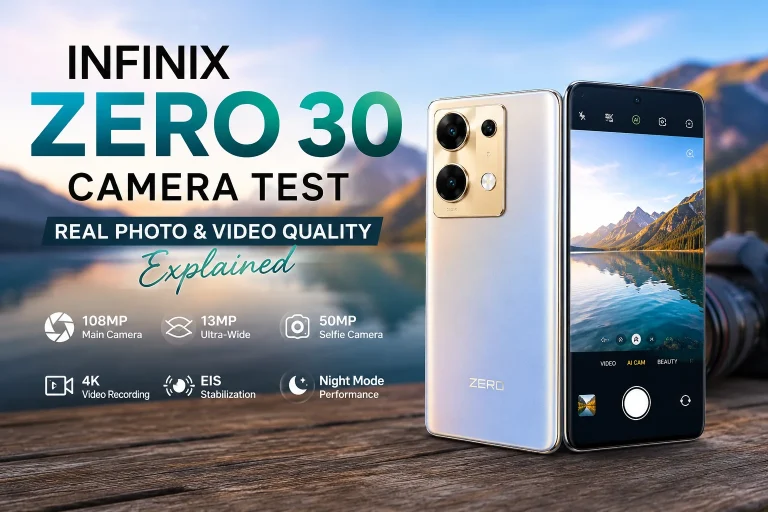
The Infinix Zero 30 shines brightest in selfie photography. Its 50MP front camera with 4K recording stands out in the mid-range category. Social media creators who record front-facing videos will immediately notice the difference in sharpness and detail.
The Redmi Note 13 Pro, however, dominates rear camera hardware with its 200MP sensor and advanced image processing. Photos usually contain more detail, especially in daylight conditions. It also performs strongly in night photography and stabilization.
Samsung Galaxy A35 takes a balanced approach. Samsung cameras are known for natural colors, reliable dynamic range, and consistent video quality. Even though the hardware may not appear as aggressive as competitors, the final images often look polished and social-media-ready.
For selfies and vlogging, the Infinix Zero 30 is arguably the winner. For rear photography and versatile shooting, Redmi Note 13 Pro leads. For balanced consistency and video reliability, Samsung Galaxy A35 remains trustworthy.
Software Updates and User Experience
Software experience can completely change how a phone feels after several months of use. A powerful phone with poor optimization can become frustrating, while a weaker phone with polished software may feel smoother in daily life.
Samsung dominates this category because of its long software support and polished One UI experience. Users on Reddit repeatedly praise Samsung’s stability and long-term reliability. Features like Knox security, smoother animations, and regular updates help Samsung maintain strong user trust.
Xiaomi’s HyperOS and MIUI offer many features, but some users complain about ads and occasional bugs. This affects the overall experience for people who prefer a cleaner interface.
Infinix’s XOS has improved significantly over the years. Animations feel smoother, and customization options are better than before. Still, it lacks the maturity and polish of Samsung’s ecosystem.
If software support and long-term reliability matter most, Samsung Galaxy A35 clearly wins. If you mainly care about hardware value and do not mind occasional software compromises, Infinix Zero 30 still provides strong value.
Battery Life and Charging Battle
Battery performance is critical because nobody wants to carry a charger everywhere. Fortunately, all these phones offer large batteries around the 5000mAh range, meaning most users can comfortably survive a full day.
The Redmi Note 13 Pro wins the charging battle thanks to its 67W fast charging support. According to specifications, it can recharge much faster than the Infinix Zero 30. This becomes extremely useful for gamers and heavy users.
The Infinix Zero 30 still performs very well with 45W charging. Charging speeds feel fast enough for most users, and the battery easily handles streaming, gaming, and social media usage.
Samsung Galaxy A35 offers slower charging, but Samsung often focuses more on battery health and long-term stability rather than aggressive charging speeds.
For raw charging speed, Redmi wins. For balanced performance, Infinix performs impressively. For reliability and battery longevity, Samsung stays competitive.
Price Comparison in Pakistan
Pricing often becomes the final deciding factor. According to recent listings, the Infinix Zero 30 is priced around Rs. 64,999 in Pakistan, while Samsung Galaxy A35 costs significantly more.
| Phone | Approximate Price in Pakistan |
|---|---|
| Infinix Zero 30 | Rs. 64,999 |
| Redmi Note 13 Pro | Rs. 64,649 – 89,999 |
| Samsung Galaxy A35 | Rs. 89,999+ |
| Realme 12 Pro | Varies by variant |
This pricing makes the Infinix Zero 30 extremely attractive for budget-conscious buyers. You get premium design, a strong display, excellent selfies, and solid gaming performance without entering flagship pricing territory.
Pros and Cons of Infinix Zero 30
| Pros | Cons |
|---|---|
| Beautiful curved AMOLED display | No official IP67 rating |
| Excellent 50MP selfie camera | Limited software updates |
| Smooth 120Hz refresh rate | No flagship-level processor |
| Stylish premium design | Camera consistency could improve |
| Strong value for money | Software not as polished as Samsung |
Who Should Buy the Infinix Zero 30?
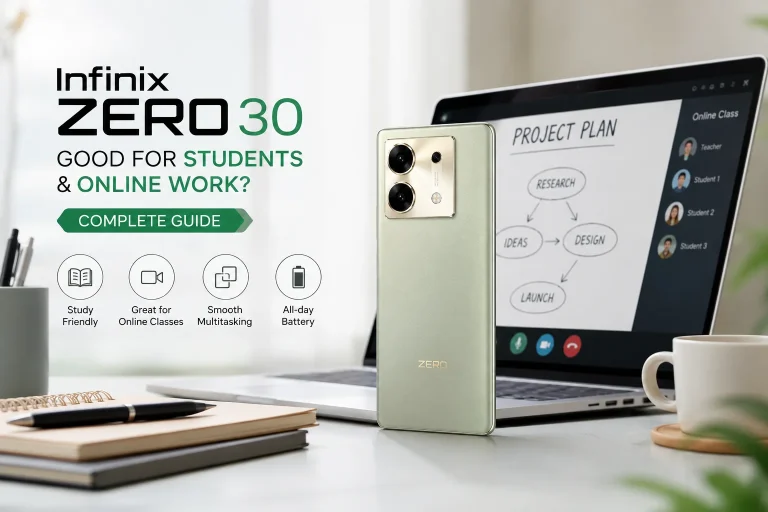
The Infinix Zero 30 is ideal for users who want a premium-looking smartphone without spending flagship-level money. It especially suits students, content creators, and social media users who prioritize selfies, stylish design, and multimedia performance.
Gamers who want balanced performance without paying extra for premium gaming phones will also appreciate the device. Casual gamers will enjoy the smooth display and reliable battery life.
People who care deeply about software updates and long-term reliability may still prefer Samsung devices. Hardcore gamers may lean toward Redmi for stronger processors. But for all-around value and modern features, the Infinix Zero 30 remains surprisingly competitive in 2026.
Final Verdict
The Infinix Zero 30 proves that mid-range smartphones no longer need to feel “cheap.” It delivers a premium display, excellent selfie camera, solid gaming performance, and attractive design at a highly competitive price. For users focused on social media, multimedia, and stylish hardware, it offers tremendous value.
Samsung Galaxy A35 is the better choice for software reliability and long-term updates. Redmi Note 13 Pro wins for gaming and raw performance. Realme 12 Pro focuses more on photography aesthetics and premium styling.
So, which one is better? If you want the best balance between price, selfies, design, and entertainment, the Infinix Zero 30 is still one of the strongest choices in the mid-range smartphone market.